Italian Architecture Trends Influencing Florida Home Design
.png)
Laurie Melchionne
.png)
Richard Sagredo via Unsplash
29 December 2025
8 Min read
Heading 5
Add paragraph text. Click “Edit Text” to update the font, size and more. To change and reuse text themes, go to Site Styles.
Heading 5
Add paragraph text. Click “Edit Text” to update the font, size and more. To change and reuse text themes, go to Site Styles.
Heading 5
Add paragraph text. Click “Edit Text” to update the font, size and more. To change and reuse text themes, go to Site Styles.
There is a quiet conversation happening under the Florida sun, one spoken in terracotta, stucco, and shaded loggias. While Spanish Revival has long been the state's default vernacular, a more specifically Italianate vocabulary is elegantly reshaping luxury homes. This isn't about pastiche; it's a thoughtful adaptation. Modern Floridian designers are looking past the castle-like grandiosity of early 20th-century estates to the timeless principles of the Italian villa, principles perfectly suited to sun-drenched, indoor-outdoor living.
The Enduring Allure of the Italian Villa Model
The core inspiration comes from the centuries-old villa suburbana. These country houses, designed for leisure and communion with the landscape, provide the perfect archetype. Their lessons are straightforward: harmony with the site, sustainable comfort, and spaces that blur the line between inside and out. In Florida, this translates to homes that don't just sit on the land but engage with it, using architecture to frame gardens, capture breezes, and celebrate the light.
Key Trends Defining the Contemporary Italian-Inspired Home
The Textured Façade: A Move Beyond Flat Stucco
Gone is the perfectly smooth, monolithic wall. The trend now embraces texture and material layering. Consider travertine or limestone cladding, used in blocks or as thin veneers, which provides a soft, luminous quality. Roman brick in earthy tones adds depth, while exposed wooden beams (travi a vista) under eaves introduce warmth. The goal is a patina of age—a sense that the home has a history, even if it's newly built.
The Loggia: The New Essential Living Room
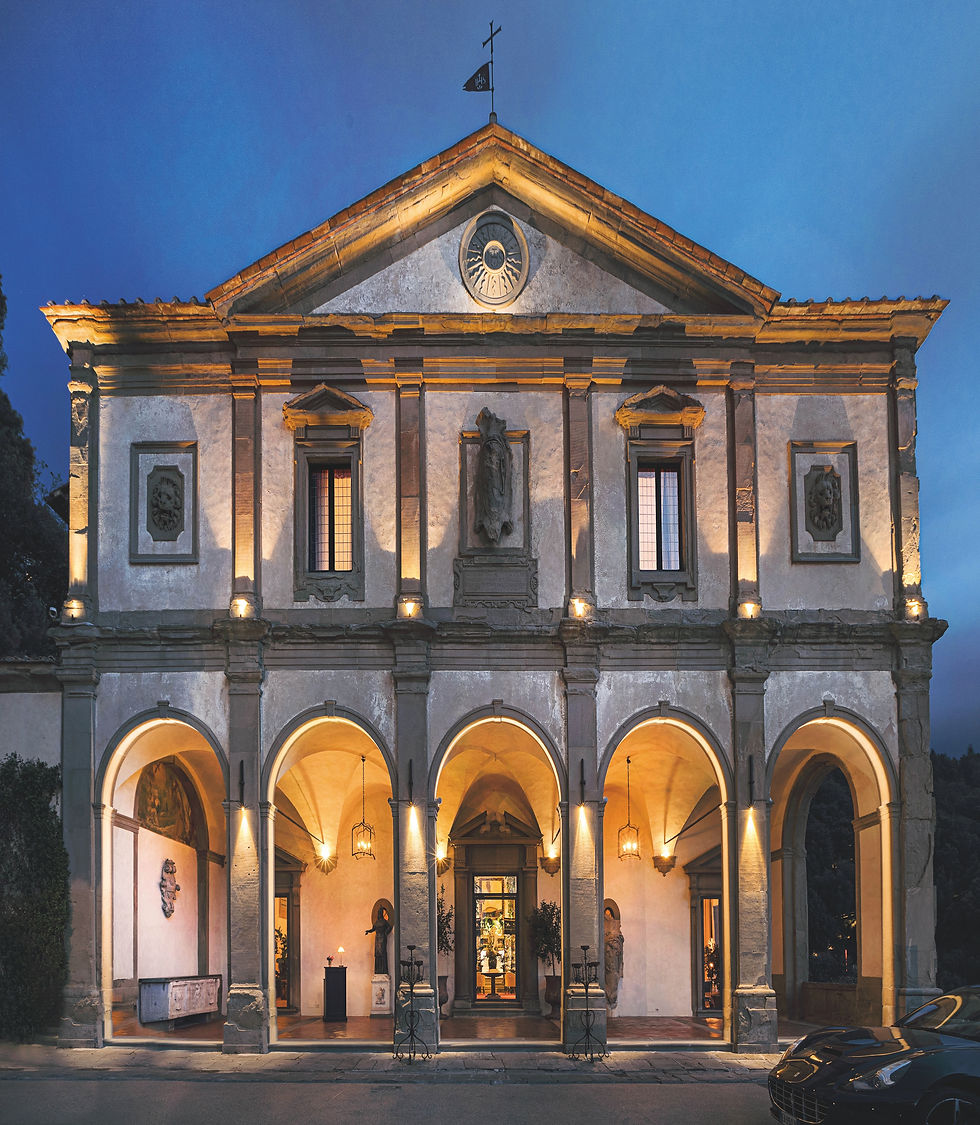
If there is one element being wholeheartedly adopted, it is the loggia. This covered exterior gallery, often with arched openings, is no longer a mere porch. It is now a fully furnished, integral living space. Designers are treating it as an outdoor room complete with weather-resistant sofas, rugs, and dining areas, effectively doubling the home's entertaining space. It provides deep shade, captures cross-breezes, and acts as a transitional buffer between the manicured garden and the interior.
Organic Geometry and the "Piano Nobile"
Rigid, box-like structures feel antithetical to this style. There's a shift towards organic, asymmetrical footprints—wings that extend to embrace a courtyard, or a rounded tower element housing a study. Furthermore, the Renaissance concept of the piano nobile—the elevated main floor—is seeing clever adaptations. In flood-prone Florida, raising the primary living level serves a practical need while also providing better views and privacy, with the ground level often dedicated to a garage, guest suite, or arcaded entertaining space.
Interior Atmosphere: The Art of the Vault
Inside, the drama continues. The predictable flat ceiling is being replaced by barrel vaults and cove ceilings, often clad in Venetian plaster. This creates a sense of volume and grandeur that feels ancient yet modern. The colour palette draws from the Italian landscape: warm ochers, earthy siennas, soft olive greens, and azzoppo white. Floors are cool terrazzo or large-format, tumbled stone tiles, perfect for the climate.
Water as a Focal Point
No Italianate design is complete without water. While grand Neptune fountains might be excessive, discreet, modernist water features are essential. A simple sheer descent wall fountain in a courtyard provides a cooling sonic backdrop. Reflecting pools or slender canalettos (small channels) integrated into patio landscaping mirror the sky and enhance the serene, cooling ambiance.
Where to See These Trends
You won't find them in every subdivision. Look to affluent, design-conscious communities:
Sarasota's barrier islands, where new builds often reference the adjacent Ringling legacy.
Naples and Winter Park, where estate homes frequently blend these classic motifs with starkly contemporary interiors.
Coral Gables, the historic epicentre, where meticulous renovations are updating the 1920s fabric with these precise, modern interpretations.
Bringing the Trend Home: A Practical Guide
If you love the idea of... | Consider this approach... | A word of caution... |
Textured, layered walls | Adding a cladding of split-face limestone or a cladding to a front entry wall. | Avoid using too many different materials; choose two for coherence. |
The loggia lifestyle | Converting a covered patio with architectural columns, proper lighting, and a ceiling fan into a dedicated outdoor room. | Ensure it is oriented to catch breezes and is deep enough to provide shade at midday. |
Organic geometry | Breaking up a plain facade with a curved garden wall or a pergola extending at an angle from the house. | The addition should feel purposeful, not merely decorative. |
Interior volume & light | Applying a lime-based Venetian plaster in a soft hue to a key living area wall or entrance hall. | This is a specialist's job—poor application cannot be easily hidden. |
The sound of water | Installing a self-contained, recirculating wall fountain or spout in a private courtyard or garden niche. | Prioritise quality pumps for quiet operation and easy maintenance. |
Ultimately, this trend speaks to a desire for homes that feel both grounded and graceful. It’s an architecture of atmosphere, offering cool shade, textured beauty, and a profound connection to the outdoors, a truly classical idea finding its perfect modern home in Florida.
Frequently Asked Questions




.jpg)


What's Your Reaction?

Join Our Newsletter Now
Subscribe now to get notified about exclusive offers from
La Peninsula every week!