Luxury is often defined by exclusivity, craftsmanship, and heritage. Yet long before modern designer labels or global fashion capitals existed, Florence established the very foundation of what luxury means. For centuries, this Italian city has stood at the intersection of art, politics, commerce, and aesthetics. This is shaping how the world understands refinement, status, and cultural power.
Even today, the language of global luxury still reflects Florentine influence.
The Birthplace of Cultural Power
Florence’s impact began during the Renaissance, when the city emerged as Europe’s centre of wealth, creativity, and intellectual life. Power was expressed not only through political control but through cultural dominance. Beauty, knowledge, and artistic achievement became symbols of authority.
Much of this transformation was driven by the powerful Medici family, whose patronage supported artists, architects, and scholars. Their influence elevated art from decoration to prestige. Commissioning beauty became a way to demonstrate sophistication, control, and vision.
This concept still defines modern luxury. High-end brands do not simply sell products — they sell identity, legacy, and cultural meaning.
Craftsmanship as the Ultimate Standard
Florence produced artistic masters whose work continues to shape global standards of excellence. Figures like Leonardo da Vinci and Michelangelo established the idea that true value lies in mastery, precision, and timeless design.
Modern luxury operates on the same philosophy.
Handcrafted leather goods, bespoke tailoring, and limited-edition creations all reflect Renaissance ideals of perfection. The emphasis on artisanal skill, that is a hallmark of Italian craftsmanship, traces directly back to Florentine workshops, where making something beautifully and intentionally was considered an art form in itself.
Luxury did not invent craftsmanship. It inherited it from Florence.
Fashion as a Statement of Influence
Florence also helped shape fashion as a symbol of status and social power. During the Renaissance, clothing reflected hierarchy, wealth, and identity. Fabrics, colours, and ornamentation communicated rank and influence with striking clarity.
That connection between fashion and power remains central to global luxury culture.
Many iconic Italian fashion houses are rooted in traditions of textile excellence and leather artistry developed in Florence. Brands such as Gucci were founded here, building their reputation on local craftsmanship and heritage. Even influential labels like Prada operate within a broader Italian tradition shaped by Renaissance values, that is, innovation grounded in artistry.
Florence established fashion as cultural storytelling, that is, a language of prestige that still defines luxury branding today.
The Renaissance Mindset in Modern Living
What makes Florence’s influence enduring is not just its history but its philosophy. Renaissance culture celebrated harmony between beauty, intellect, and function. Nothing existed purely for display like aesthetics and purpose were meant to coexist.
This mindset continues to shape modern luxury:
Architecture that blends artistic vision with liveable design
Fashion that merges heritage craftsmanship with innovation
Collectibles valued for both cultural and financial significance
Travel experiences centred on authenticity rather than excess
As luxury shifts toward meaning, experience, and emotional connection, the world is rediscovering principles Florence perfected centuries ago.
Heritage as the Highest Form of Value
Florence also introduced one of luxury’s most powerful ideas — heritage itself creates worth. Objects, techniques, and traditions gain prestige through time, continuity, and preservation.
Modern luxury branding depends heavily on this concept. Founding stories, generational expertise, and artisanal lineage all reinforce authenticity. Consumers increasingly seek permanence in a fast-moving world.
Florence demonstrated long ago that legacy is not a marketing tool, that is, it is a cultural asset.
A Living Influence
Florence’s power is not confined to history. Designers, collectors, and cultural thinkers continue to draw inspiration from its architecture, museums, and artistic philosophy. The city represents continuity; proof that tradition and innovation can evolve together without losing identity.
In an era shaped by mass production and rapid change, Florence offers something rare: permanence with purpose.
Why Florence Still Defines Luxury
Florence transformed beauty into power, craftsmanship into prestige, and culture into capital. Every time a brand emphasises heritage, a designer values artistry, or a traveller seeks meaningful experience, its influence is present.
Luxury may evolve, but its core principles remain Florentine.
For more stories exploring art, culture, fashion, and the timeless influence of Italy, discover more features and insights at La Peninsula.


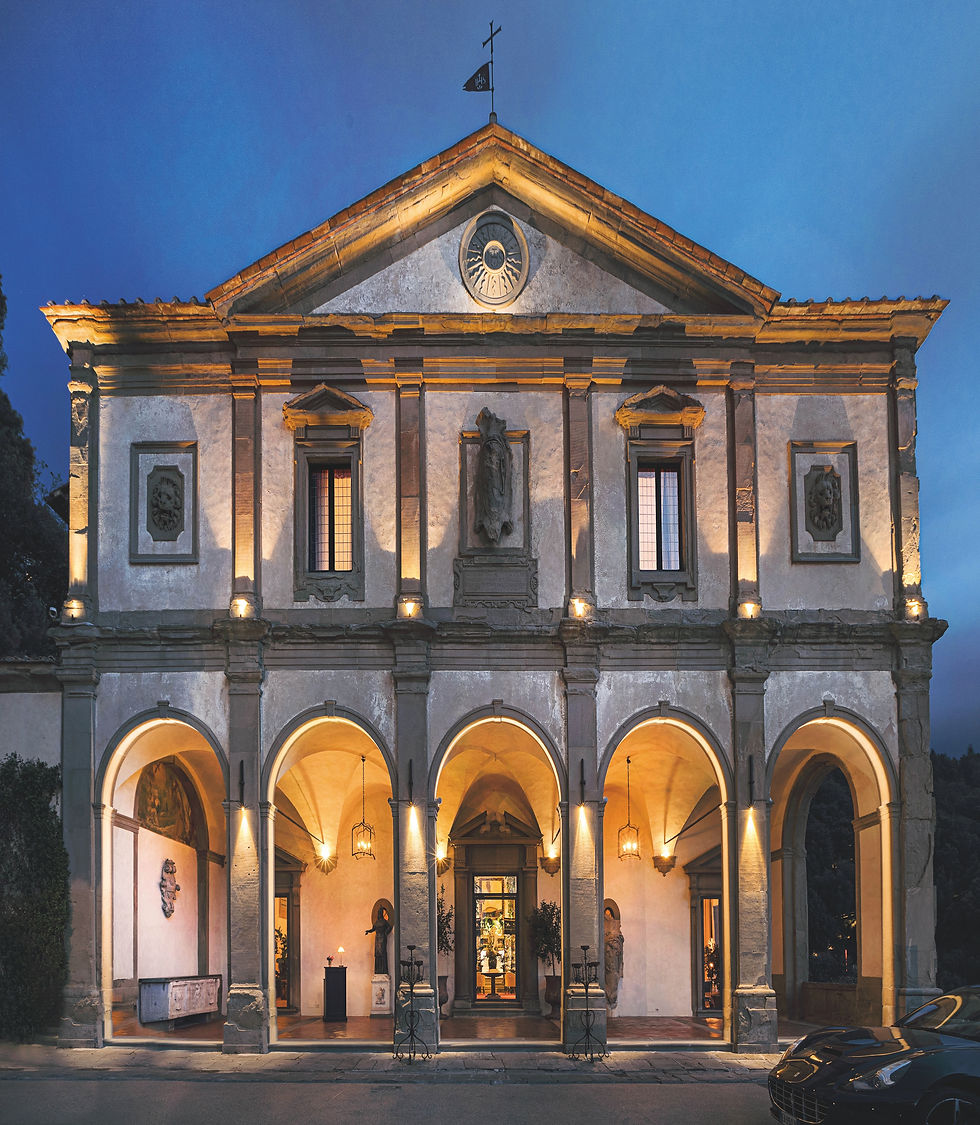


Art, Fashion, and Power: How Florence Still Shapes Global Luxury Culture Today

La Peninsula Staff

Giuseppe Mondì on Unsplash
27 February 2026
8 min


What's Your Reaction?

Join Our Newsletter Now
Subscribe now to get notified about exclusive offers from
La Peninsula every week!