There is something special about Italian food. Every meal feels slow, intentional, and full of life. If you have ever sat at a long table in Rome or watched a family enjoy Sunday lunch in Naples, you already understand what Italian food culture is really about. It is not just the food. It is the people, the conversation, and the unhurried pace of the afternoon. At La Peninsula, we celebrate this kind of living, and understanding how Italians eat is one of the most beautiful places to begin.
Italian food culture is built on one simple idea: food is life, and life deserves your full attention. Italians spend an average of two hours eating and drinking each day, and that says everything. Meals are not something to rush through. They are a chance to slow down, connect, and enjoy the people around you.
The Daily Rhythm of Eating
The Italian day is naturally built around food. Breakfast is always light, a quick espresso and a cornetto at the local bar. No guilt, no overthinking, just a small pleasure before the day starts.
Lunch is the main event, especially on Sundays. Families gather, wine is opened, and courses arrive slowly. Pasta or risotto first, then meat or fish, fresh bread, and a long conversation that stretches well past the last bite. Shops close, phones turn off, and the table becomes the only thing that matters. Later in the afternoon, a coffee around three keeps things going.
Then around six or seven, aperitivo eases the transition between work and evening. A spritz, some olives, and an easy hour with friends. Dinner follows late, around eight or nine, with its own gentle rhythm of courses and good company.
Italian Food Traditions Explained
Italian food traditions explained are simpler than they seem. No cheese on seafood because it kills the flavour. No cappuccino after lunch because milk sits heavy. Bread comes last, used to wipe the plate clean in a gesture called fare la scarpetta. Wine follows the same logic: red with meat, white with fish, always local when possible. Not strict rules, just habits that work.
The same thinking applies in the kitchen. A good Italian cook lets the ingredients decide the meal. The care that goes in, as any Italian grandmother will tell you, always comes through in the food.
Fresh, Seasonal, and Always Regional
Italy has 20 regions and each one eats differently. The north loves butter, polenta, and risotto. The south runs on olive oil, tomatoes, and bold seafood. Central Italy is known for cured meats and slow-cooked dishes. The variety is part of what makes Italian food so fascinating.
The idea is the same everywhere though: use the best ingredients you can find and keep things simple. A ripe tomato needs very little. Fresh fish needs only good oil and heat. Everything else is there to support the main ingredient, never to overpower it.
Shopping is part of this too. Italians visit their local butcher and market not just to buy food but to connect, get advice, and find out what is freshest. That relationship adds meaning to every meal before it even begins.
Sitting at the Table Like a Local
If you are dining in Italy, a few simple habits go a long way. Wait to be seated, greet your waiter warmly, and never rush the meal. Lingering at the table is not rude. It is expected.
Have some quiet table manners. Keep elbows off the table, place utensils parallel when finished, and always make eye contact when you toast. Tipping is small and optional, and modifying a dish is generally not done. Trust the kitchen, trust the season, and enjoy the experience for what it is.
A Way of Living
What makes Italian food culture so appealing is how simple it really is. Pay attention. Take your time. Cook with care, eat with people, and let the conversation go well past dessert. Let the meal be the point. You do not need a kitchen in Tuscany to live this way. You just need to slow down enough to notice what you are eating, who you are with, and why that moment is worth enjoying.
In Summary
Italian food culture is built on fresh ingredients, regional pride, and a deep respect for the people around the table. From the morning espresso to the late evening digestivo, every part of the Italian day is connected to food, to people, and to the pleasure of slowing down. The habits are simple and the etiquette is rooted in care, not complexity. The invitation is always the same: slow down, sit down, and enjoy it properly. That is an invitation worth accepting.
Craving more of this way of living? Explore the La Peninsula blog for stories and inspiration rooted in the Italian art of slowing down.


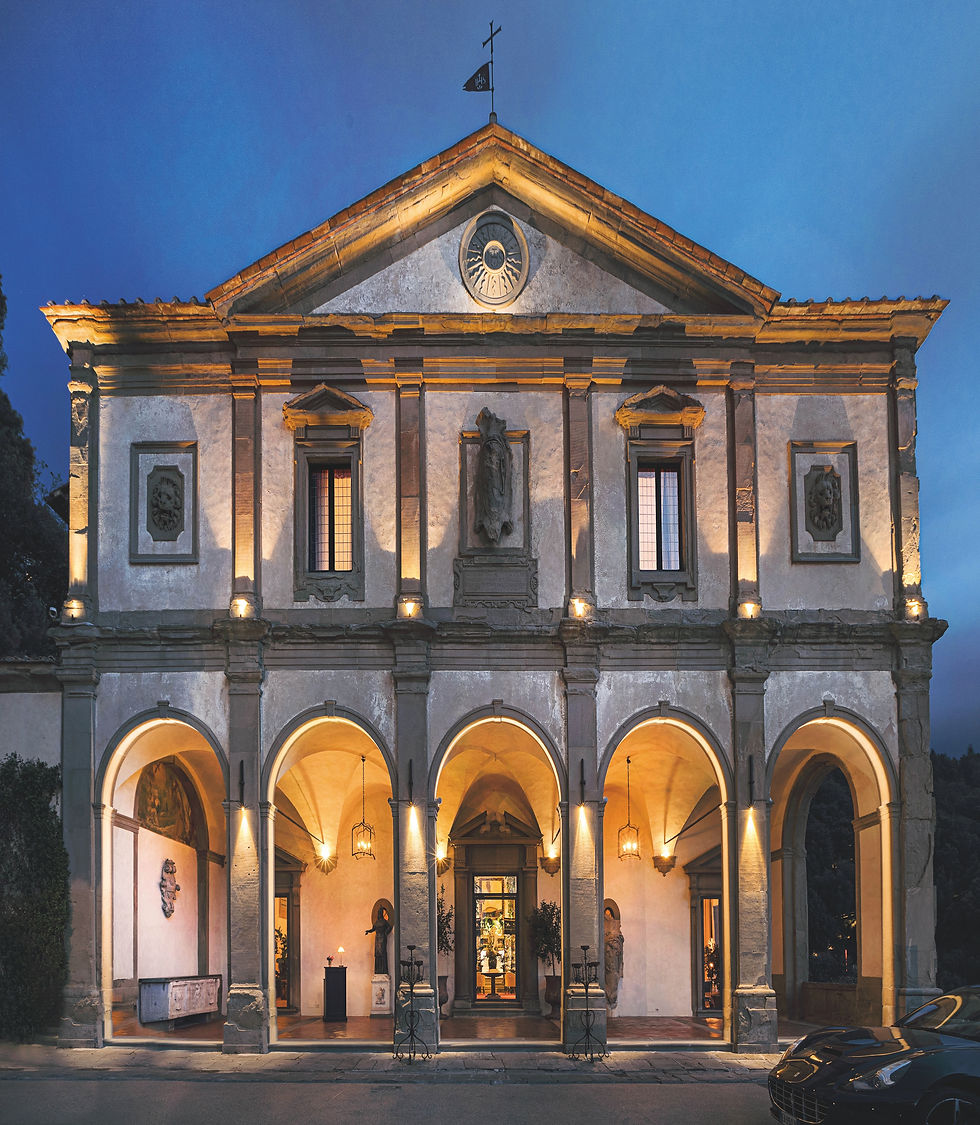


Italian Food Culture Explained: Traditions, Dining Etiquette & Everyday Eating Habits

La Peninsula Staff

Francesco Liotti on Unsplash
25 February 2026
8 min


What's Your Reaction?

Join Our Newsletter Now
Subscribe now to get notified about exclusive offers from
La Peninsula every week!